“I’m Stronger Than Borderline Personality Disorder”- ft. Char
More Than a Diagnosis: Meet Char
“Your diagnosis is one chapter of your story—not the ending.”
Mental health diagnoses can often become labels that overshadow the person behind them. But every diagnosis belongs to someone with dreams, passions, accomplishments, and a story that deserves to be heard.
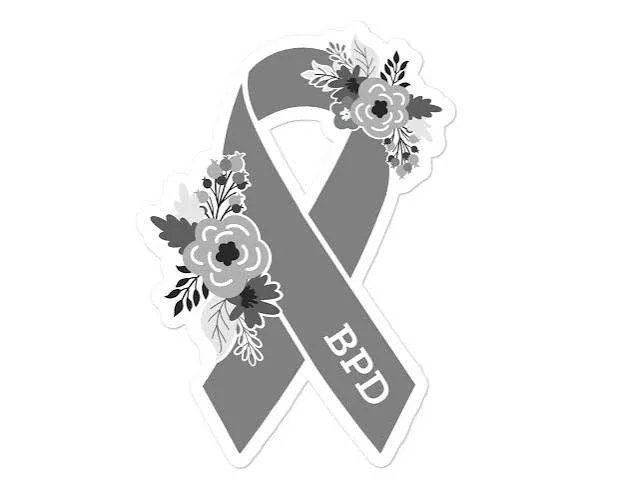
For many people, Borderline Personality Disorder (BPD) is misunderstood. BPD stands for Borderline Personality Disorder; a mental health condition that can affect how a person experiences emotions, relationships, their sense of self, and how they respond to situations. Some common experiences associated with BPD can include:
Intense or rapidly changing emotions
Difficulty managing strong emotions
Fear of abandonment or rejection
Challenges with relationships
An unstable or changing sense of self
Feeling empty or disconnected
Impulsive behaviors
Difficulty calming down after becoming emotionally overwhelmed
Feeling emotions very deeply
The stigma surrounding it often speaks louder than the truth. Yet behind every diagnosis is a human being learning, healing, and becoming.
This is more than a conversation about mental health. It’s a story about resilience. It’s a story about healing. Most importantly… It’s a story about becoming.
Meet Char
Tell us who you are beyond your diagnosis.
Whew! This question gets me every single time.
You’d think I’d have the perfect answer by now since I’ve been asked this in therapy sessions and job interviews more times than I can count. Somehow, I still find myself overthinking it.
So…hey, everyone!
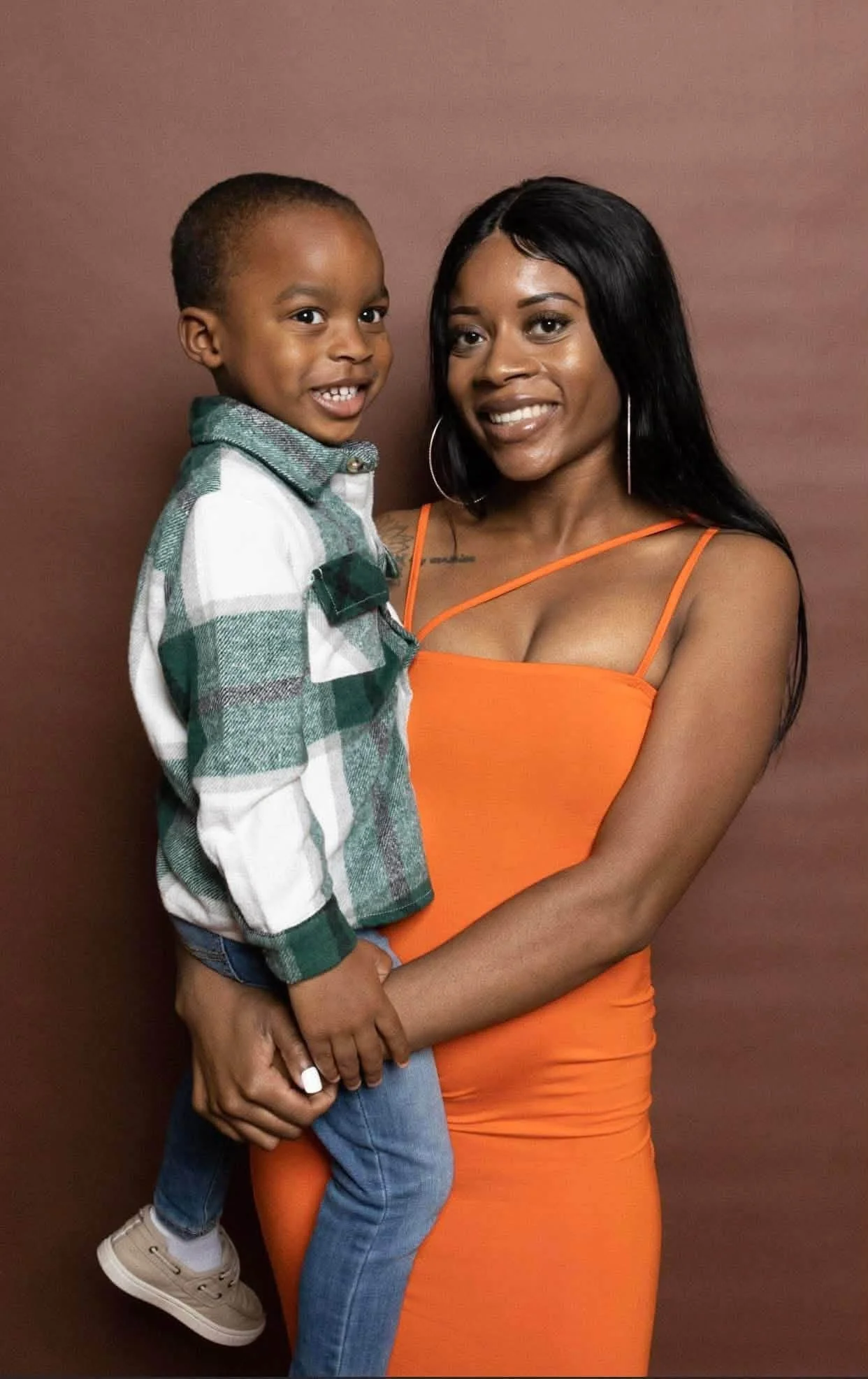
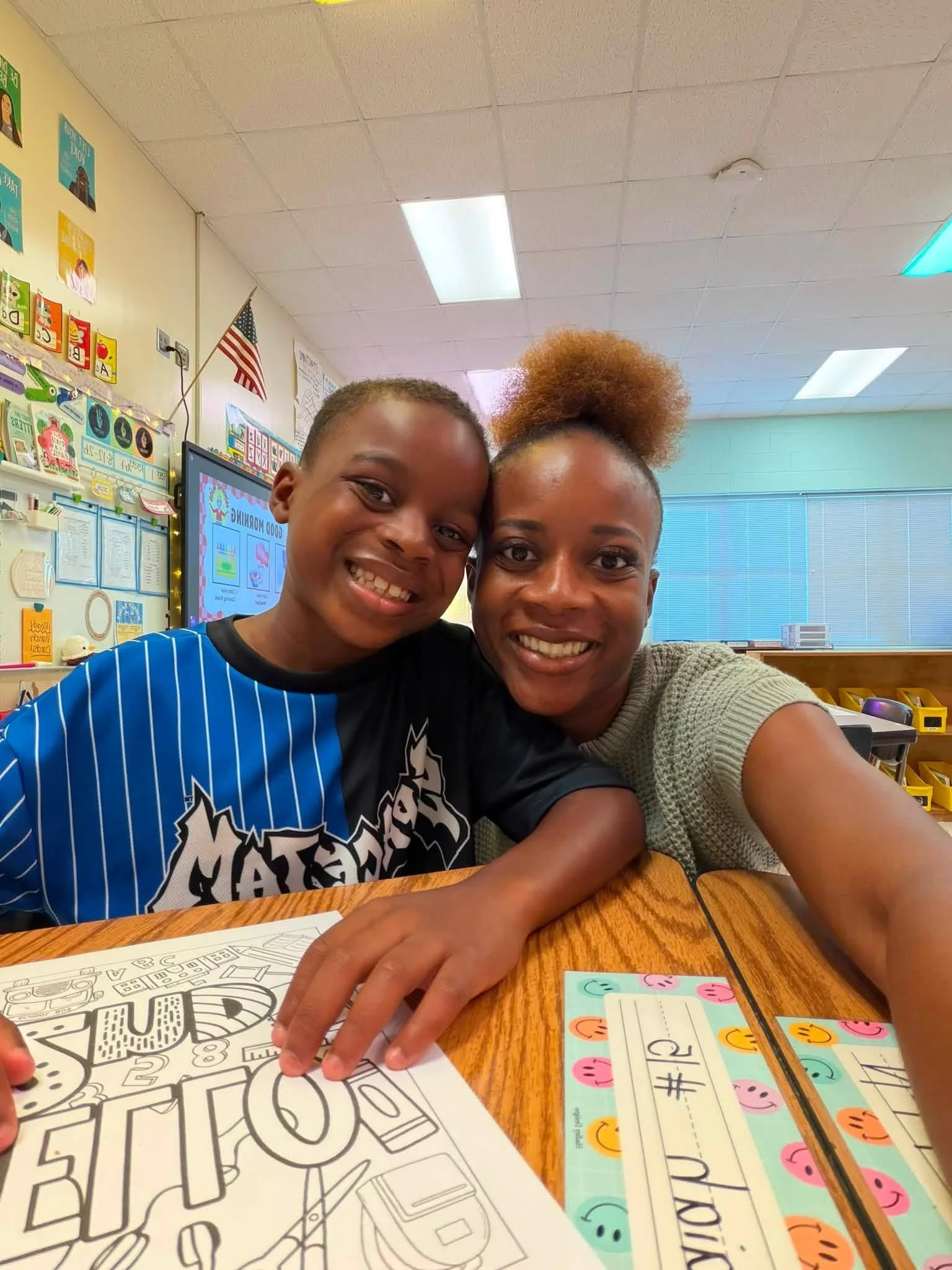
I’m Charlesia, but everyone calls me Char. I’m 29 years old (yikes…I’m getting older), and I’m the proud mom of my amazing seven-year-old son, Isaiah. Fun fact—he was born two days after Christmas. Did I plan that? Absolutely not!
Being Isaiah’s mom is, without question, my greatest accomplishment and biggest joy. Isaiah is my mini-me in every way imaginable. Watching pieces of myself reflected in him is one of life’s sweetest blessings.
Marriage? Not yet.
In fact, I’ve never experienced what I’d consider a healthy, stable relationship.
When I became pregnant with Isaiah, his father left after I decided to move back home with my parents to save money and prepare for our son’s future. So yes, I’ve been a single mother from the very beginning. But here’s what I’ve learned: Being a single mother doesn’t mean doing everything alone.
Over the years, I’ve intentionally built an incredible village of people who love and support both Isaiah and me. Accepting help wasn’t easy—it actually took years—but learning that I didn’t have to carry everything by myself has been one of the greatest gifts of my healing journey.
Outside of motherhood, I love reading, spending time in God’s Word (the Book of Job has been speaking to me lately), working out, and hosting family and friends.
I’ve always been known as the “ray of sunshine.” People tell me I brighten every room I walk into. Their words—not mine. I’m a social butterfly who truly knows no stranger. I love people, meaningful conversations, and making others feel welcome.
Professionally, I work as a behavioral therapist, supporting children on the autism spectrum one-on-one. I’m also proud to serve in the Army National Guard, where I’ve been for nearly seven years.
And yes…
I’m definitely an outdoor girl—but maybe not in the way you’re thinking. I’m talking hiking, paddleboarding, ziplining, camping, white-water rafting…that kind of outside.
What Does “I’m Stronger Than…” Mean to You?
When I hear the phrase “I’m Stronger Than…”, I don’t just think about surviving. I think about overcoming. I’m stronger than my trauma. I’m stronger than my diagnoses. I’m stronger than my fears. I’m stronger than the labels people tried to place on me. I’m stronger than rejection. I’m stronger than abandonment. I’m stronger than every lie that ever whispered I wasn’t enough.
For years, I believed my past determined my future. Today, I know better. My trauma didn’t define me. It taught me. Every diagnosis taught me. Every setback taught me. Every painful experience shaped me into the woman I am still becoming—a better mother, daughter, sister, friend, caregiver, and human being.
When I look back now, I’m actually grateful for many of the things that tried to break me. Because instead…They made me stronger.
“My diagnoses are part of my story—but they will never become my identity.”
My Mental Health Journey
What mental health challenges have you experienced?
Over the years I’ve been diagnosed with: Borderline Personality Disorder (BPD), PTSD, Anxiety, Depression, & ADHD.
If you know me personally, then you know I’m passionate about mental health awareness. I also believe we can talk honestly about mental health without making it feel hopeless.
These diagnoses have absolutely challenged me. They’ve knocked me down more times than I can count. Some days have been incredibly difficult. Other days have been full of joy. But regardless of the day…They’ve never defined who I am.
When Did You First Realize Something Wasn’t Right?
Truthfully…I can’t pinpoint one exact moment. Instead, I remember one conversation that changed everything.
I was twenty-one years old and pregnant with Isaiah. One evening, my mom asked my older sister and me if we had ever experienced sexual assault. Without hesitation, I answered, “No.”
To me, if something like that had happened, surely I would have known. Then I casually shared a story from middle school involving a trusted family friend during a sleepover. At the time, I didn’t consider it assault. After all…escaped. Nothing “really happened.” Or at least, that’s what I convinced myself.
Because my mother had survived multiple sexual assaults herself, I spent years comparing my experience to hers. I minimized my pain because someone else seemed worse. What happened to me didn’t count…Or so I believed.
Looking back now, I realize that wasn’t true at all. What happened to me mattered. The emotional impact mattered. My healing mattered. That conversation became the beginning of my therapy journey.
Even then, it took years before I fully acknowledged what I’d experienced. For a long time, minimizing my pain became my coping mechanism. I buried it. Ignored it. And kept moving.
Today, I’ve learned something incredibly important: Healing doesn’t require comparing your trauma to someone else’s.
Pain isn’t a competition. Your experience matters simply because it happened to you.
Before the Diagnosis
Looking back, I honestly believed the way I felt was normal. I constantly worried about what people thought of me. I believed I was “too much.” Too emotional. Too needy. Too difficult to love.
Being alone felt unbearable, so I often found myself moving from one relationship to another, hoping someone else could provide the security I struggled to find within myself.
People-pleasing became second nature. I sacrificed my own needs to keep others close, even when it meant settling for less than I deserved. I didn’t realize that fear—not love—was driving so many of my decisions.
Fear of abandonment. Fear of rejection. Fear of not being enough. Looking back, I can now recognize those patterns for what they were. They weren’t personality flaws. They were survival strategies. And once I understood that…Healing truly began.
The Signs I Didn’t Understand, the Silence I Carried, and the Answers That Changed Everything
“Sometimes the greatest breakthrough isn’t receiving a diagnosis—it’s finally understanding yourself.”
One of the hardest parts of living with a mental health condition is that you don’t always realize you’re struggling. Sometimes the behaviors become so familiar that they simply feel like part of your personality.
One of the biggest signs was my intense fear of abandonment. On the outside, people saw someone who loved being around others. I was outgoing, social, and genuinely enjoyed connecting with people. It probably looked like I simply had a big personality and loved making friends. But internally, it was much deeper than that. I constantly feared people leaving me. I worried I wasn’t enough to make people stay.
Ironically, while I desperately wanted people close, I also struggled with self-sabotage. I’d push people away, then panic when they created distance. It was a confusing cycle. I didn’t understand why I kept repeating those patterns because, at the time, I didn’t realize fear was driving so many of my behaviors. Looking back now, I can see those patterns much more clearly.
Did you understand mental health growing up?
Honestly? Not at all.
I knew words like depression and therapy, but I didn’t truly understand what mental health meant or how deeply it could affect someone’s life—especially my own.
Like many families, I grew up hearing: “Pray about it.” And while I absolutely believe in prayer and faith, I’ve also learned that God often works through the resources He provides.
Healing doesn’t have to be either prayer or therapy. For me…It’s both. Prayer strengthens my spirit. Therapy equips me with practical tools. Together, they’ve transformed my life.
That shift in perspective helped me realize mental health isn’t something to ignore, suppress, or simply “push through.” It’s something we care for. Something we nurture. Something we heal.
What emotions were hardest to explain?
Honestly…All of them. Especially in the moment. Sometimes I knew exactly what I was feeling but couldn’t put it into words. Other times, I didn’t even understand my own emotions enough to explain them.
One thing I’ve learned about Borderline Personality Disorder is that no two people experience it exactly the same. Our stories may overlap, but our emotional experiences are deeply personal.
How did your struggles affect school, work, relationships, and parenting?
Mental health doesn’t stay confined to one part of your life. It touches everything. For me, it affected school first. There were multiple times I had to step away because I simply wasn’t mentally healthy enough to continue.
At work, I changed jobs several times because I didn’t always feel emotionally supported in certain environments.
As a member of the Army National Guard, there were occasions when my therapist recommended I avoid field exercises because of my PTSD.
That was incredibly difficult.
I love serving alongside my team, and missing those opportunities made me feel like I wasn’t contributing the way I wanted to. Thankfully, my unit has shown tremendous support throughout my journey.
Relationships were another challenge. I often found myself self-sabotaging just as relationships began becoming healthy. Whenever vulnerability increased, fear wasn’t far behind.
Perhaps the hardest area to talk about is parenting. Isaiah has always been my world. There were days I was physically present but emotionally exhausted. I wanted to laugh with him. Play with him. Be fully present. But mentally, I wasn’t always capable of showing up the way I wanted to. As a mother, that carried a tremendous amount of guilt.
Today, I remind myself that healing allows me to become the mother my son deserves—not because I wasn’t enough before, but because I deserve healing just as much as he deserves a healthy mom.
“Healing isn’t just about becoming healthier for yourself. Sometimes it’s about becoming healthier for the people you love most.”
Were there moments when you felt misunderstood or misdiagnosed?
Absolutely. For more than a year, I searched for answers. At first, my diagnoses included anxiety, depression, and PTSD. Those diagnoses were accurate. But they weren’t the whole picture.
Eventually, I began understanding Borderline Personality Disorder as the deeper root connecting many of those experiences. I often compare it to a tree. People could easily see the branches. Anxiety. Depression. PTSD. But it took much longer to understand what was happening beneath the surface.
Looking back, I honestly don’t think I was emotionally ready to receive every answer all at once. Healing happened in layers. And I’m grateful it did.
What did suffering in silence look like for you?
It looked like smiling. Showing up. Helping everyone else. Carrying everyone’s burdens while quietly drowning beneath my own. From the outside, everything appeared normal.
I went to work. Handled responsibilities. Supported my friends. Took care of my son. People saw someone who looked “fine.”
What they couldn’t see were the battles happening inside my mind. For a long time, I measured my well-being by everyone else’s happiness. If everyone around me was okay…Then I convinced myself I was okay too.
I wasn’t.
Did You Ever Feel Like You Needed to “Just Get Over It?”
Interestingly…Most of that pressure came from me. I convinced myself my emotions were too much. Too dramatic.Too overwhelming. Too inconvenient. So I learned to suppress them.I kept pushing forward because I believed that’s what strong people did.
Now I know something very different. Real strength isn’t pretending you don’t hurt. Real strength is allowing yourself to heal.
Before therapy, what unhealthy coping mechanisms did you rely on?
Looking back, I developed several coping mechanisms that helped me survive—but not heal. I buried my emotions. I isolated myself. I became a chronic people-pleaser. I overextended myself trying to make everyone else’s lives easier. I avoided conflict whenever possible. I overthought everything. I spent money impulsively.
Sometimes I escaped through sleep. Other times, food became comfort. None of those behaviors addressed what was actually happening beneath the surface. They simply delayed it. Healing finally began when I stopped asking,
“How do I make this feeling disappear?”
and started asking,
“What is this feeling trying to teach me?”
Was there a point where you realized you could no longer hide your struggles?
Yes. Eventually, carrying everyone else’s weight while ignoring my own became impossible. I was emotionally exhausted. Mentally drained. Spiritually depleted.
One day, I looked at myself and barely recognized the woman staring back.That became my turning point.Not because life suddenly became easier.
But because I finally admitted I couldn’t keep living the way I had been.
And honestly…
That admission became one of the bravest decisions I’ve ever made.
Did fear, shame, religion, or culture stop you from seeking help?
Surprisingly…No.
I’ve always believed in therapy. In fact, my son began attending therapy when he was five years old—not because something was “wrong,” but because I wanted him to have another safe adult he could trust.
If there was ever something he didn’t feel comfortable telling me, I wanted him to know he still had someone safe to talk to.
I’ve never viewed therapy as weakness. I’ve always viewed it as wisdom. As a woman of faith, I deeply believe in prayer. But healing often comes through the very people and tools God places in our lives. Faith and therapy have never competed in my life. They’ve worked beautifully together.
The Diagnosis Journey
Receiving the Diagnosis
When I received my diagnosis, I felt relieved more than anything. Finally having answers felt like a weight had been lifted off my shoulders.
There was relief, but eventually, there was also some anger and confusion. I had been in therapy for years and had seen several therapists, but BPD was never mentioned. I had never even heard of BPD until I met Justine, my EMDR therapist. After she brought it up, I went home and spent weeks researching it before talking with her more about it. And that’s where this part of my journey began.
Looking back, I don’t think I was ready for all the answers at once. At that time, I was still learning how to manage my anxiety, depression, and PTSD. In a way, I was still in the “milk stage” of healing.
As I grew emotionally and mentally, I became ready for more. When the BPD diagnosis came, I was finally ready for the “solid food.”
A baby doesn’t start off eating solid foods, and that’s how I look at my healing journey. Maybe I wasn’t ready for those answers before because I didn’t need them yet—or I couldn’t handle them yet. At that point in my journey, those were the answers I needed and could understand.
Telling My Family and Friends
When I shared my diagnosis with my friends and family, I felt supported. A few people didn’t fully understand it at first, but sharing what I know and what I’m learning has helped create more awareness.
My diagnosis may not look the same as someone else’s, and that’s important to remember. Mental health doesn’t look the same for everyone. Awareness truly goes a long way.
Was There Grief?
I wouldn’t necessarily call it grief. I was more frustrated.
After years of therapy, I finally had answers to things I had been struggling with for so long. At the same time, there was relief because so many things finally started to make sense.
Part of me wishes I had known sooner. But another part of me understands that I may not have been ready to hear it sooner.
Sometimes, the answers come when you’re ready to receive them.
Accepting My Diagnosis
I didn’t really struggle with accepting my diagnosis. If anything, I wanted to learn more.
Before I was officially diagnosed, I had already started listening to podcasts about BPD and doing my own research. So when I received the diagnosis, I didn’t fight against it. Instead, it helped explain so much of what I had been experiencing.
I focused on understanding it and learning how to manage it instead of questioning whether the diagnosis was right.
The Myth That Bothers Me Most
One of the biggest myths that frustrates me is the idea that everyone with BPD is the same.
Another is the assumption that because someone else struggles with mental health, they automatically understand exactly what I’m going through.
We may relate to certain experiences, but we will never fully understand another person’s journey.
I think about grief. No two people experience or process grief the same way. Mental health is the same. BPD can look different from person to person, and our experiences are still our own.
Treatment & Support
Honestly, asking for help has never been the hardest part for me when it comes to my mental health. I’ve always been pro-therapy.
Parenting taught me something important: it really does take a village, and there is nothing wrong with accepting help.
Therapy has taught me that I am more self-aware than I sometimes give myself credit for. I’ve learned to recognize when I’m triggered and, more importantly, I’ve learned skills to help me work through those triggers.
I’ve also learned that my diagnosis doesn’t define me. It’s simply a part of my story.
Most importantly, I’ve learned that healing is a journey, not a destination.
What I Really Needed
I don’t feel like I was lacking support. What I needed most was a better understanding of myself and what I was experiencing.
Once I gained that understanding through therapy and treatment, I became better at communicating my needs and accepting support from the people around me.
My diagnosis gave me answers, but the journey has given me understanding.
And that understanding has made me stronger.
Life After Diagnosis
Healing & Growth
Understanding my mental health has given me answers and helped me understand myself on a deeper level. It hasn’t made my struggles disappear, but it has made me more self-aware. Most importantly, I’ve learned to give myself grace and understanding.
For me, healing is less dramatic than people might expect. It started with becoming self-aware and giving myself permission to actually want change. It hasn’t been easy, but the growth and peace that come from doing the work make it worth it.
Learning How to Handle the Hard Days
I’ve learned that my words and thoughts are powerful, so I try to approach each day with a positive mindset. Of course, things happen, but I often ask myself, “Does this situation have to define my entire day?”
I’ve learned to give myself permission to feel my emotions instead of ignoring them. At the same time, I remind myself that I still have some control over how my day starts and how it ends.
Now, does this always work? Absolutely not. Some days are harder than others.
That’s why I always have a tub of ice cream waiting for me at home for those really, really tough days!
Learning That I Don’t Have to Do Everything Alone
One challenge I still navigate is taking on too much by myself.
I’m a very independent person, but I’m learning that accepting support isn’t a weakness. We all need help in some way.
As a single mom working multiple jobs, attending school, and participating in therapy for myself and my son, life can get overwhelming. There is only one of me, and I’ve had to accept that I simply can’t do everything alone.
In the past, I often put my own needs last while trying to handle everything else. Through this healing journey, I’ve become more intentional about pouring into my own cup so I’m not constantly pouring from an empty one.
As a mom, student, and service member, it’s easy to put myself last. Now I’m learning to create healthier boundaries, practice self-care, and be more intentional with my time so I can show up as the best version of myself.
The Strength I’ve Gained
One of the biggest strengths I’ve developed is learning to give myself the same care and support I freely give to everyone else.
For a long time, I thought being strong meant carrying everything on my own. Now I understand that real strength is knowing when to ask for help, setting healthy boundaries, and recognizing when my own cup needs to be filled.
I’ve also learned how to truly be alone and be okay with myself. I enjoy my own company. I’ve found peace in solitude, and I no longer depend on other people to determine my worth or happiness.
Most importantly, I’ve learned that I’m capable of more than I give myself credit for.
Every challenge has reminded me that even when life gets hard, I can keep going, grow through it, and come out stronger on the other side.
My Diagnosis Is Not My Identity
I’ve always believed that the things I’ve experienced—my trauma and my diagnosis—are not and never will be my identity.
They are part of my journey, but they are not the whole story.
When I think about who I am, I think about the woman I’m becoming: a mother, a soldier, a student, and a woman who is resilient, compassionate, and committed to growing every day.
My disorder is one part of my story. I choose to define myself by how I continue to heal, love, grow, and show up despite the obstacles I face.
Every challenge has taught me something about myself. Every step of this journey has made me stronger, wiser, and more intentional about the life I want to live.
Relationships & Identity
My diagnosis has affected my relationships in different ways over the years.
One thing I struggled with was overcommunication. I often felt anxious about fixing problems immediately. I wanted answers right away because uncertainty was difficult for me.
Looking back, I realize I wasn’t necessarily struggling to express myself. I was struggling to respect my own boundaries.
I also spent a lot of time being the strong one for everyone else while keeping my own struggles to myself. I wanted to be the person everyone could lean on, even when I was carrying more than people realized.
In dating and relationships, I had to learn that my healing is my responsibility. It’s not fair to expect someone else to fix wounds they didn’t create.
I also learned that love shouldn’t require me to abandon my needs or ignore my boundaries just to keep the peace.
That realization changed how I look at relationships. I became more intentional about choosing relationships built on communication, honesty, respect, and mutual support.
My family relationships have taught me a lot about grace, boundaries, and forgiveness. Not every relationship has been easy, but I’ve learned that protecting my peace sometimes means creating boundaries—even with people I love.
The strongest relationships are the ones where I can be honest, respected, and accepted for who I am.
Losing People Along the Way
Healing has a way of changing you, and not everyone is meant to grow with you.
As I started setting healthier boundaries, choosing myself, and no longer accepting the bare minimum, some relationships naturally came to an end.
At first, losing people was painful. I’ve always valued the people I love and wanted to hold on to those relationships. But eventually, I realized that not everyone is meant to stay for every season of your life.
Some people were part of my journey, and I’m grateful for the lessons they taught me—even if the relationship didn’t last.
I’ve learned that healing sometimes requires letting go of people, habits, and even versions of yourself that no longer align with who you’re becoming.
Those decisions weren’t easy, but they created space for healthier relationships, deeper peace, and a stronger sense of self.
Today, I don’t see those losses as failures.
I see them as part of my growth.
Every person who left and every relationship I chose to walk away from taught me something that helped shape the woman I am today.
What Healthy Love Looks Like Now
To me, healthy love is consistency, honesty, respect, and emotional safety.
It’s someone who communicates, respects my boundaries, and is willing to grow with me instead of against me. It’s knowing we can have difficult conversations without either person feeling unheard.
Support looks different to me now, too.
I don’t need someone to fix me because that’s not their job. I want someone who is willing to walk beside me, encourage me, and remind me that I don’t have to carry everything by myself.
I’ve spent so much of my life being the strong one. I’ve learned that there’s nothing wrong with allowing someone else to show up for me, too.
Most importantly, I’ve learned that healthy love starts with me.
The more I’ve healed, the more I’ve realized what I deserve—and what I’m no longer willing to accept.
I choose peace over chaos, consistency over empty words, and mutual effort over one-sided relationships.
That’s the kind of love I want to give, and it’s the kind of love I want to receive.
Advocating for Myself
I advocate for myself by being honest about what I need and standing firm in the boundaries I’ve worked so hard to build.
In the past, I would have overexplained myself or felt like I had to make people understand me.
Now, I know I don’t have to justify protecting my peace or prioritizing my mental health.
I don’t expect everyone to understand my experiences because they haven’t lived my life.
If someone is open to learning, I’m always willing to have the conversation. I believe talking about mental health helps break the stigma.
But I’ve also learned something important:
It’s not my job to convince everyone.
I can educate. I can share my story. I can advocate for myself.
But at the end of the day, I don’t have to change someone’s mindset to validate my own experience.
My healing is mine. My story is mine. And I’m still becoming stronger through it all.
Breaking the Stigma
Honest Conversations
One stigma surrounding mental health that needs to end is the belief that asking for help is a sign of weakness.
It takes strength to admit you’re struggling, and even more strength to ask for help. For so long, we’ve been told to “be strong,” push through, or keep everything bottled up.
But that’s not healing. That’s surviving.
Another belief I think needs to change, especially in the Black community, is that we don’t need therapy and that all we need to do is pray.
As a woman of faith, I absolutely believe in the power of prayer. My relationship with God has carried me through some of the hardest seasons of my life. But I also believe God gives us resources, wisdom, and people to help us heal.
For me, prayer and therapy go hand in hand. They don’t compete with each other.
We also have to stop assuming that someone is okay just because they look like they have it all together.
Someone can be smiling, working, raising a family, showing up every day, and still be struggling silently.
You never really know what someone is carrying.
My healing journey has taught me that there is nothing wrong with asking for help. Therapy doesn’t mean your faith is weak, and it doesn’t mean you’re broken.
It means you’re willing to do the work to heal, grow, and become the person God created you to be.
I believe healing is a gift, and there is no shame in using the healthy tools God has given us to get there.
What People Get Wrong About BPD
One of the biggest misconceptions about Borderline Personality Disorder is that people with BPD are “crazy,” manipulative, or impossible to love.
That couldn’t be further from the truth.
Those stereotypes are hurtful and take away from the fact that people with BPD are human beings who may be carrying deep emotional pain and trauma.
For me, BPD doesn’t mean I don’t know how to love. If anything, I love deeply.
It means I can experience emotions very intensely, and before therapy, I didn’t always have the tools to manage those emotions in healthy ways.
That doesn’t make me a bad person.
It means I had healing to do.
Therapy, self-awareness, accountability, and a willingness to grow have helped me tremendously. I know healing is possible because I’ve experienced it myself.
At the same time, having BPD isn’t an excuse for harmful behavior. I believe in taking responsibility for my actions while also giving myself grace as I continue to grow.
Why So Many People Suffer in Silence
I think many people suffer in silence because they’re afraid of being labeled.
I’ve heard this from adults and parents. They’re afraid that if they or their child receive a diagnosis like depression, anxiety, ADHD, or BPD, that diagnosis will become the only thing people see.
But a diagnosis isn’t the end of your story.
It’s information.
It can help you better understand yourself or your child and connect you with the right support.
Ignoring what’s happening doesn’t make it disappear. Sometimes, it only makes it harder to get the help you deserve.
Many of us grew up hearing things like, “Just deal with it,” “Be strong,” or “Don’t tell everybody your business.”
Mental health wasn’t always something we talked about openly, especially in the Black community. Therapy could be viewed as unnecessary, and people were often told to pray, have more faith, or keep family matters within the family.
Again, I believe in prayer.
But I also believe God can work through therapists, counselors, doctors, and the resources He places in our lives.
My hope is that we stop treating mental health diagnoses like something to be ashamed of.
A diagnosis doesn’t change who you are.
Sometimes, it gives you answers.
It gives you clarity.
It gives you resources.
And sometimes, those answers are exactly what opens the door to healing.
To Anyone Afraid to Seek Therapy
If I could say one thing to someone who is afraid to seek therapy, it would be:
G.O. — Give yourself grace. Open yourself up to healing.
Give yourself a chance.
The worst thing that can happen is realizing that a particular therapist isn’t the right fit. And that’s okay. You can find another one.
Therapy isn’t one-size-fits-all. It may take time to find someone you connect with, and one bad experience shouldn’t stop you from getting the help you deserve.
I know taking that first step can be scary because I’ve been there.
But choosing therapy has been one of the best decisions I’ve ever made. It has given me the tools to better understand myself, work through my past, and become a healthier version of myself—not just for me, but for my son and the people I love.
You deserve to heal.
You deserve peace.
You deserve to understand yourself instead of just surviving.
Asking for help doesn’t make you weak.
It means you’re choosing yourself.
And there is absolutely nothing wrong with that.
Signed,
Char 🤎
A woman who is stronger than her diagnosis, stronger than her trauma, stronger than her darkest days—and still becoming.
